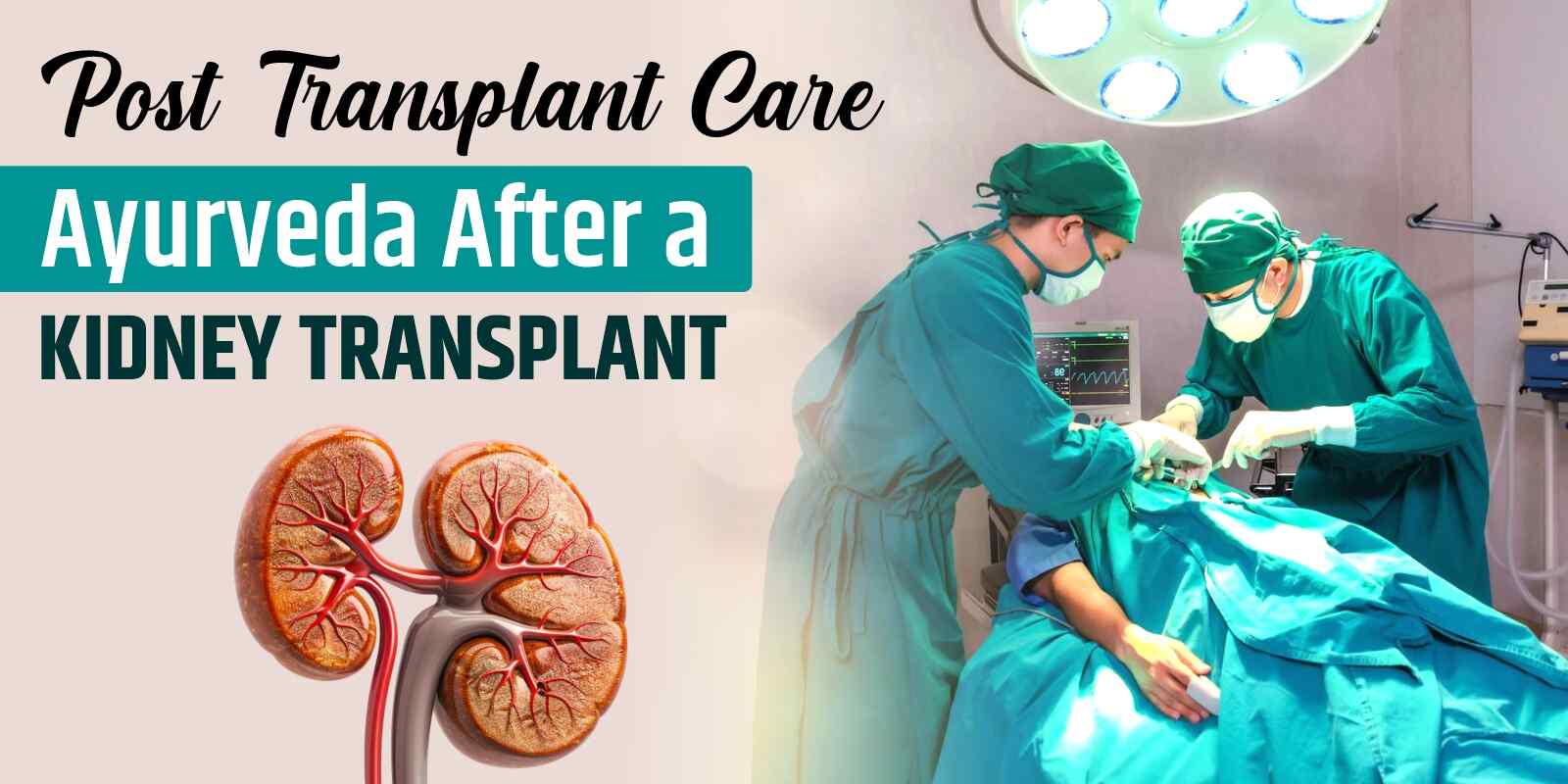
Getting a kidney transplant is nothing short of a life reboot. One moment, you’re juggling medications, doctor appointments, and dietary restrictions like a circus act, and the next, you’ve got a brand-new kidney ready to work overtime. But, as exciting as it is, post-transplant life comes with its own set of responsibilities. And this is where Ayurveda, or specifically post-transplant Ayurveda, can step in; not to replace your modern treatment, but to complement it beautifully. Think of it as giving your new kidney a spa day… every day.
After a kidney transplant, your body becomes a little like a newly renovated house. The organ is fresh, shiny, and full of potential, but it’s delicate. Your immune system can be overzealous, medications have side effects, and lifestyle choices play a huge role in long-term success. Ignoring post-transplant care is like leaving the windows open during a rainstorm: trouble is bound to find its way in.
Ayurveda can help in kidney transplant recovery by supporting your immunity, reducing inflammation, improving digestion, and even boosting mental well-being. The best part? Its holistic approach focuses on balancing your entire body, rather than just treating symptoms.
Ayurveda loves to remind us that food is not just fuel; it’s medicine. After a kidney transplant, your digestive system can be sensitive, thanks to medications and the stress of surgery. Simple, fresh, warm, and easily digestible foods are ideal. Think soft khichdi (rice and lentils cooked to perfection), steamed vegetables, and mild soups.
Avoid overly spicy, oily, or processed foods; they’re like inviting drama into your calm new kidney party. Fresh fruits like papaya, apple, and pear can gently provide vitamins and antioxidants without overloading your system. Ayurveda also suggests incorporating warming herbs like ginger and cumin, which can improve digestion and nutrient absorption.
Post-transplant, hydration is key, but there’s a fine balance. Too little fluid can strain your kidneys; too much can lead to swelling or hypertension. Ayurveda encourages listening to your body and sipping water consistently throughout the day. You can even make it a little more enjoyable with warm herbal teas made from Tulsi, mint, or fennel; hydrating with a hint of flavor makes the whole routine less like a chore.
This is where things can get a little tricky, so caution is required. Some Ayurvedic herbs are wonderful post-transplant, while others can interfere with your immunosuppressive medications. Generally, herbs like Ashwagandha (for stress and immunity) or Guduchi (for liver support and immunity) are considered safe under guidance, but always consult your nephrologist first.
Remember: just because something is “natural” doesn’t mean it’s automatically harmless. Your kidney is now on VIP status, and only carefully vetted guests are allowed.
Ayurveda places a lot of importance on dinacharya, or daily routines, to keep your body balanced. After a kidney transplant, maintaining a consistent schedule for meals, sleep, and light activity can make a huge difference.
Post-transplant life isn’t just about your kidney; it’s about your entire self. Anxiety, fear of rejection, or frustration over lifestyle changes are normal. Ayurveda recognizes the mind-body connection and offers tools like meditation, pranayama (breathing exercises), and journaling to keep stress under control.
A calm mind means less stress hormone chaos in your body, which is excellent news for your new kidney. Think of it as giving your kidney a little mental massage along with your literal massage.
Your post-transplant exercise plan should be gentle and gradual. Walking, light yoga, or stretching routines are perfect. Ayurveda encourages listening to your body; if your kidneys could talk, it would probably say, “Let’s ease into this, please!” Avoid heavy lifting or intense workouts until your doctor gives the green light.
Even with all the Ayurvedic self-care, regular medical check-ups are non-negotiable. Keep track of your lab reports, blood pressure, weight, and any unusual symptoms. Communicate openly with both your nephrologist and Ayurvedic practitioner to ensure all treatments complement each other.
Remember, post-transplant care isn’t a solo journey; you’re part of a VIP team that includes your kidney, your medical doctors, and your Ayurvedic guide.
A kidney transplant is a second chance at life; a fresh start where every choice counts. Ayurveda doesn’t replace your modern medical care but adds a gentle, holistic layer to your post-transplant journey. From nourishing foods and herbal support to daily routines and mental wellness, it helps keep your new kidney happy, healthy, and thriving.
So, embrace Ayurveda like a wise, cheerful companion on this journey. With the right balance of medical guidance, lifestyle adjustments, and natural support, your kidneys can perform like the superstar it was meant to be; while you enjoy life, laugh a little more, and maybe even sneak in that second cup of Tulsi tea.
After all, a happy kidney makes for a happy you.
Ans. Some gentle Ayurvedic therapies may be safe, but only under strict supervision from your transplant doctor.
Ans. Herbs like Ashwagandha, Guggulu, and high-dose turmeric can interfere with immunosuppressants.
Ans. Usually, gentle practices can start only after your doctor clears you; often a few months post-transplant.
Ans. Mild Panchakarma, warm oil massages, yoga, pranayama, and immunity-boosting herbs (doctor-approved) can help.
Ans. Always inform your nephrologist and transplant team before starting any Ayurvedic therapy or herb.
Ans. Regular kidney function tests (creatinine, eGFR), liver function, and drug levels to check for herb–medication interactions.
"Ayurveda is not just a system of medicine; it's a way of life. Connect with us to embrace a lifestyle that nurtures your body, mind, and soul."

Certificate no- AH-2023-0186
JAN 05,2023-JAN 04,2026
Our Clinics in Your State

77, Block C, Tarun Enclave, Pitampura, Delhi, 110034

C-28, Ground Floor, Block C, Sector 12, Noida, Uttar Pradesh 201301

1st Floor, 556, 14th Main Rd, Sector 3, HSR Layout, Bengaluru, Karnataka 560102

Office No. 602 Block - A, 6th Floor, Kumar's Ranjan Enclave, Palika vinayak hospital, New Colony, Mahatma Gandhi Nagar, Lohia Nagar, Patna, Bihar 800020

Office No 405, SO-Lucky Commercial Complex, Junction, Andheri - Kurla Rd, opposite Holy Family Church, Chakala, Andheri East, Mumbai, Maharashtra 400093

House No. 2, Ward - Ravi Ahmad Kidvai Nagar, 258, Vishal Khand, Gomti Nagar, Lucknow, Uttar Pradesh 226010